Inverted Roof Insulation Thickness

Housing Retrofit Timber Flat Roof Insulation Flat Roof Flat Roof Insulation Timber Roof

Waterproofing Of An Inverted Flat Roof With A Polyurethane Liquid Membrane Isomat Pu Systems

Ikospectraplansg Is A 1 2mm Thick Glass Tissue Reinforced Adhered Single Ply Roofing Membrane For Both Flat And Sloping Roofs It Has A 50mm Roofing Membrane

Pin By Nick Herrig On 5216 Euclid In 2020 Insulating A Shed Cathedral Ceiling Insulation Garage Insulation

Inverted Roof In 2020 Roof Thermal Insulation Extruded Polystyrene Insulation Roof Insulation
Rigid Foam Insulation For Commercial Roofing Polyiso Vs Xps Vs Eps

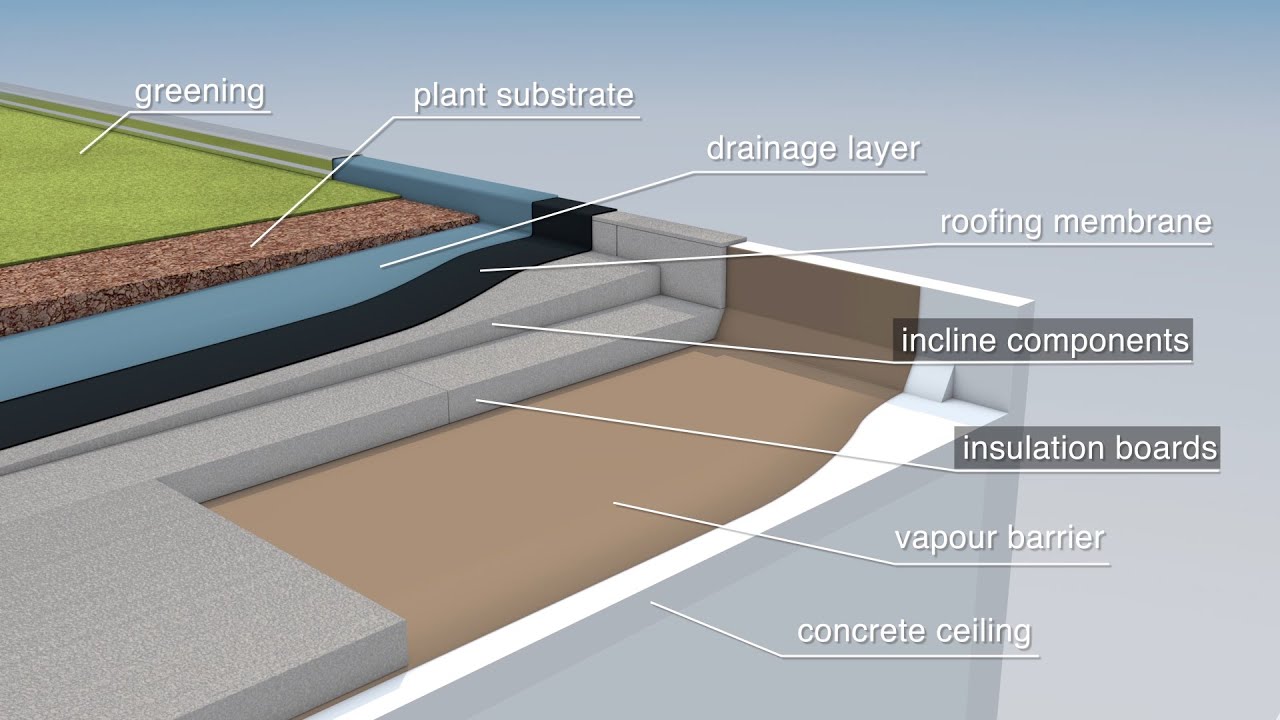
The great benefit of inverted roofs is that the insulation protects the membrane from extremes of weather such as frost uv exposure and the expansion and contraction that comes about from summer winter temperature cycles which can be as much as 80 c on some roofs.
Inverted roof insulation thickness.

Image Result For Concrete Slab Roof Thickness Mm Concrete Slab Membrane Roof Timber Deck

Branz Now Recommend Using 10 Mm Of Xps As A Thermal Break For Slab Edge Insulation Concrete Slab Broken Concrete Insulation

Purlin Bracing Roofing Gable Roof House Gable Roof Design

Bsd 012 Moisture Control For New Residential Buildings Siding Construction Architecture Foundation Construction Drawings
Source : pinterest.com
