Well many shingles contain a powdered limestone filler that acts as a food source for algae causing it to survive relatively easily on the top of your roof.
Is there limestone filler in roof shingles.
Unfortunately the limestone filler in most roofing shingles provides nutrients to the algae spores.
Most cases of roof algae or fungus start with a single spore finding its way to your home.
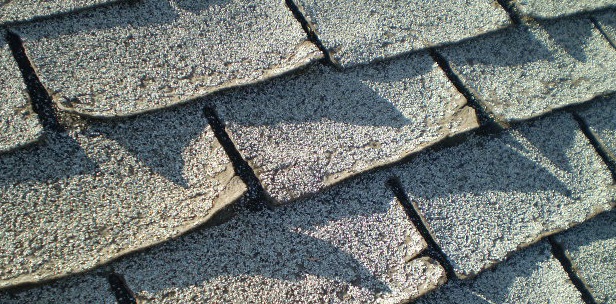
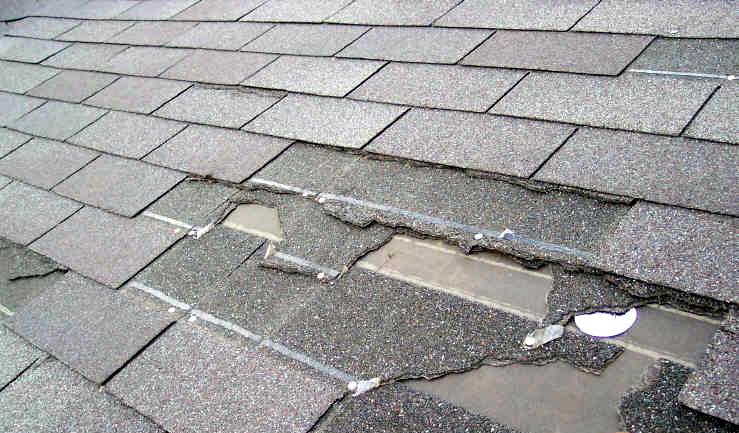
Over time as the filler is eaten away the granules protecting the surface of the shingle lose their hold and begin to wash off.
Since asphalt is an expensive petroleum based product they try to minimize it by using more crushed limestone.
This then creates another issue.
If it s not taken care of it will take years off of the life of your roofing.
Unless they are not using fiberglass matting.
As a filler limestone is very cheap plentiful and works rather well.
The good news is that algae likely won t cause much damage to your shingles and there are solutions to both treat and prevent the problem.
If you live in a humid area of the country you ve probably seen unsightly dark streaks on asphalt shingle roofs.
There s more algae on roofs today because manufacturers use crushed limestone within the shingle as a filler so they don t have to use as much asphalt.
Though often attributed to an accumulation of dirt defective shingles mold or mildew the most common culprit is actually a blue green algae known as gloeocapsa magma that is spread by airborne spores.
Feeding on the inorganic materials of your roof s materials they ll continue to spread and darken until you get rid of them.
As a result of this loss of shingle mass the roof loses the ability to reflect heat rays.
The inorganic materials found in your roof will allow the algae to survive spread and darken.
All companies use limestone they have too.
Algae feed on the limestone filler used to give the shingles weight.
Algae feed on limestone filler contained in asphalt roof shingles.
Roof algae is a living thing and it s feeding off of your shingles actually it s feeding off of a limestone filler commonly used in shingle production.
The sun and the humidity on your roof give it the first two.