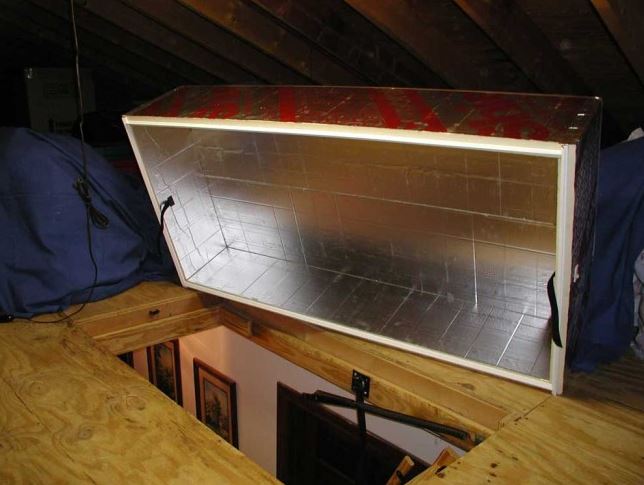
Unfaced insulation in your garage.
Installing attic insulation in dormer walls faced or unfaced.
You should only use faced insulation as the first layer of insulation.
Always use unfaced batts both when laying product for the first time and to prevent moisture from becoming trapped between new and old layers of insulation.
Remember to set the paper faced insulation upwards.
You can use either faced or unfaced batting for this installation.
Avoid covering an old layer of faced.
When using insulation that has.
Unfaced insulation can greatly reduce the risk of mold mildew or moisture damage in your house.
If it is too big then trim it to size.
Batt or rolled insulation or blown loose fill insulation fiberglass or cellulose can be installed on top of old insulation.
The unfaced insulation can be secured to the framing with staples.
After securing the insulation wrap the entire passage with house wrap and seal the seams with house wrap tape.
If the attic doesn t have any existing insulation use faced insulation with the paper facing toward the heated living space.
One method is to fill the gaps between the studs with faced batts and then wrap the entire passage with unfaced insulation.
If you do use faced insulation you must take extra precautions to avoid having a fire.
Place the insulation with the facing side down on a piece of scrap plywood.
Installing insulation has almost the same steps for all.
For example if you plan on using your garage for your welding projects you run the risk of having a welding fire.
You can buy them unfaced or simply remove the paper or foil backing.
If there is already insulation between the joists increase the r value by installing unfaced roll insulation right on top.
Set a t square or metal straightedge over the insulation and press it down firmly.
Place a new layer of unfaced batts perpendicular to the old layer to cover any gaps in the lower layer.
To make things safe cover your unfaced insulation with drywall to prevent the risk of a fire.
You may be required to cover the kraft paper with other materials depending on your local codes.
Cut the insulation roll or batt to fit the length of the framing cavity if necessary.
Run the unfaced strips perpendicular to the joists and butt each strip tightly together to form an airtight blanket of insulation.
Insulating between rafters install batting between the roof rafters for finished attic spaces.
The kraft paper itself is highly flammable.
Any existing batt or roll insulation in the attic should have the facing against the attic drywall floor or no facing at all.
If your attic floor has no insulation install faced batts or faced rolls between each joist with the moisture barrier facing down against the drywall or plaster ceiling below.
Measure the roll or batt of insulation to the area that you are going to install it in.
The basic installation steps are the same for walls ceilings floors and roofs in wood frame houses.