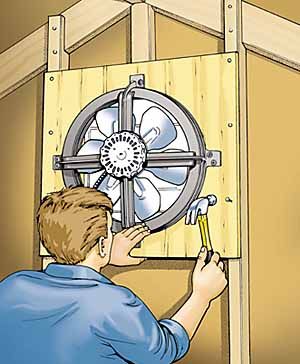
Trying to solve the heat gain problem in your attic by using a fan is like lying out at the beach with a fan blowing over you and thinking you re not.
Inline fan blowing into attic noise.
The outlet on the discharge side of panasonic fans is as wide as the blower wheel.
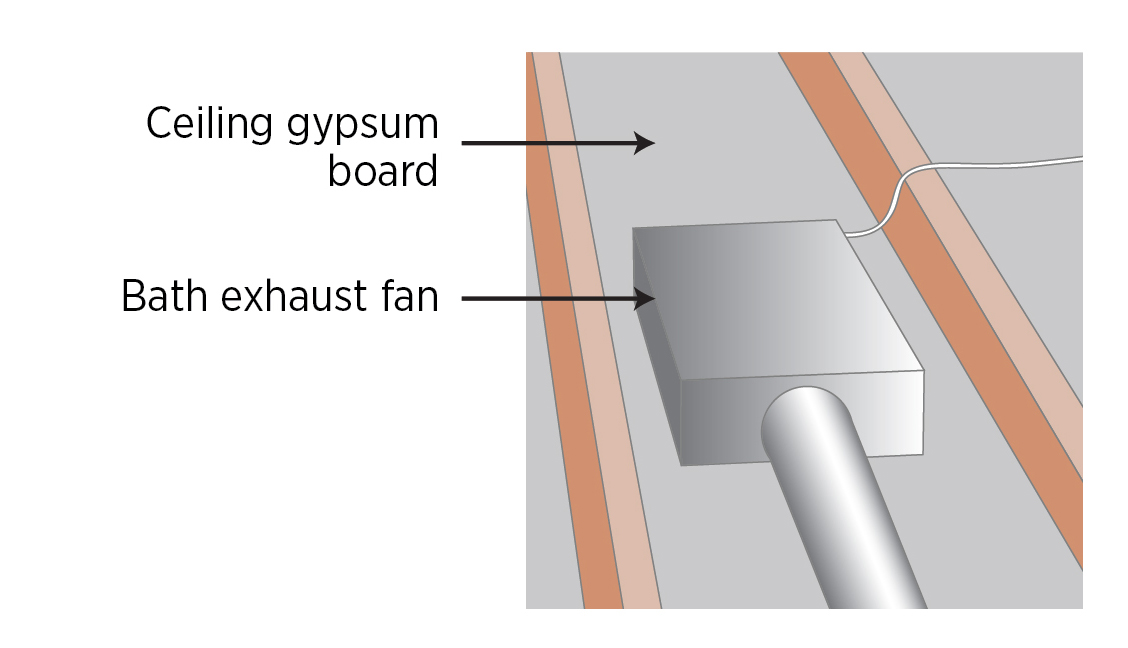
Because they are located within the ducting inside the attic space they aren t close to the room that they are being used for.
Fine tuned for minimum vibration with a sturdy vegan leather cover that further muffles any sound or.
For those with well insulated roofs the noise will almost become non existent.
But technically that damper can t prevent the warm air from escaping into the ducting.
My idea is to vent the build up of hot air that has risen to the ceiling in the hotspot rooms into the attic so that air from cooler parts of the house can move in.
If the attic fan isn t turning on it could be an electrical issue a problem with the thermostat or the motor of the fan that s not working.
Giving air a greater access to the blower wheel cuts down on noise and makes the ventilation process more efficient.
But while you can t have two fans with one vent you can make one fan and one vent serve two bathrooms.
Moves air through your target location efficiently for optimal ventilation.
But in reference to your response i m not sure how creating positive pressure in the attic via a fan blowing in would allow conditioned air to spill into the attic.
Keeping the exhaust outlet at the same width as the blower wheel means less turbulent airflow as it enters the duct and less noise.
The fan s installation instructions should specify the diameter of the duct.
The kitchen vent fan must exhaust directly to the outside not into an attic crawlspace or a space between floors.
Small diameter ducts could trap grease creating a fire hazard.
The duct should be smooth and straight with as few bends as possible.
Thanks john that s what i pointed out when he was considering an exhaust fan hence the bad idea part of my original question.
This setup requires an in line centrifugal fan mounted in the attic drawing air simultaneously from both bathrooms see photo.
But with inline duct fans noise is no longer an issue.
Your attic fan may not be turning on because of an electrical problem like a tripped circuit breaker a blown fuse or a bad connection.
Powerful fan puts out only 50 db noise level.
The job of the damper is to prevent the outside air so that they can t enter through the fan.
Runs smooth and quiet.
You d often blow air from one bathroom into the other and local building inspectors wouldn t approve it.
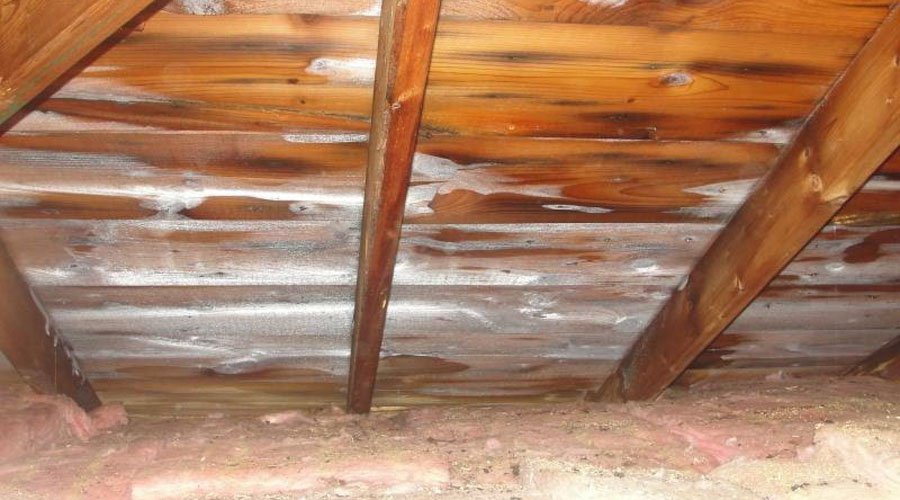
Using a fan to blow hot air out of the attic doesn t address the radiant heat flow from the roof to the attic floor.
Now it does not matter whether you run the bathroom fan or not some of the warm air will always escape into the duct.
Low cfm similar to a bathroom vent 300cfm and only in the hot spots basically by adding an inline ducting fan to the return ducts for the hotspot rooms.
This significantly decreases the noise level of the fan.
This seems like a different issue to me.